
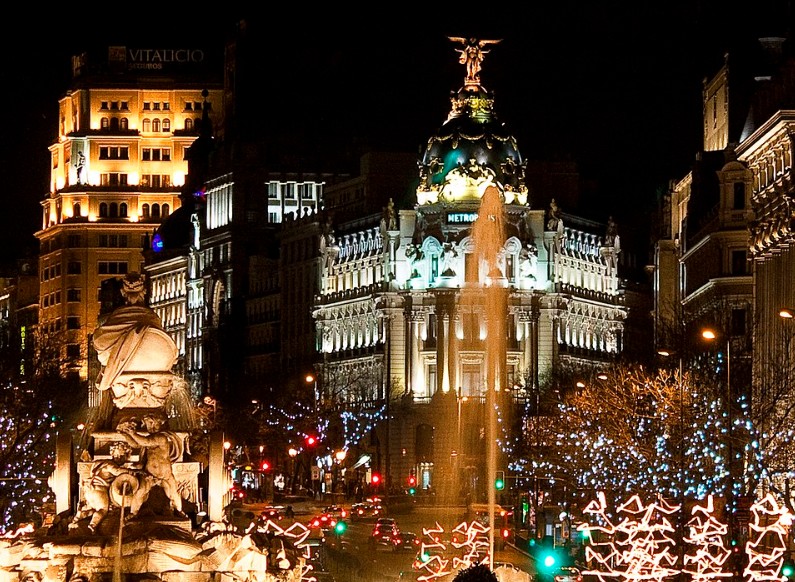
Christmas in Spain is a lively and colorful season, blending centuries-old traditions with modern celebrations. The festive period is marked by family gatherings, illuminated streets, delicious food, and unique customs that make Spain one of the most enchanting countries to experience the holidays. From bustling cities to quiet villages, the holiday spirit is felt everywhere, making it a truly special time of the year.
What is Christmas Like in Spain?
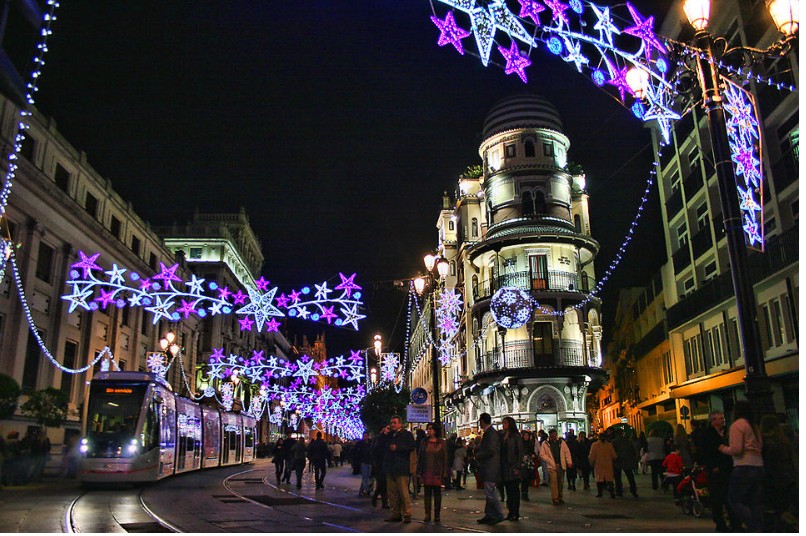
In Spain, Christmas is not just a single day; it is a season that stretches from early December to early January. Cities, towns, and even small villages transform into magical spaces with sparkling lights, nativity scenes, and Christmas decorations. People enjoy a mix of religious and secular traditions, attending church services, decorating their homes, and spending time with family and friends.
Unlike some countries where Christmas is primarily focused on December 25, in Spain the celebrations begin weeks earlier and continue until the feast of Epiphany on January 6. It’s a period filled with joy, warmth, and community, offering both locals and visitors a chance to immerse themselves in the rich culture of the country.
When Does Christmas Start in Spain?
Christmas officially starts in Spain on December 8 with the Feast of the Immaculate Conception, a public holiday observed nationwide. However, the festive atmosphere often begins in late November, when streets are decorated with lights and shops start displaying Christmas products. This early preparation allows people to enjoy a longer holiday season, with shopping, social events, and community celebrations taking center stage.
Are There Christmas Markets in Spain?
Yes, Christmas markets are an essential part of the Spanish holiday season. Known as mercadillos navideños, these markets are filled with festive decorations, handcrafted gifts, and seasonal treats. Visitors can stroll through rows of stalls offering everything from ornaments to toys and artisanal foods.
Some of the most famous markets are found in Madrid, Barcelona, Seville, and Valencia. In Madrid, the Plaza Mayor Christmas market is a must-visit, featuring traditional decorations, toys, and local crafts. Barcelona’s markets, such as the Fira de Santa Llúcia, have a strong focus on nativity scenes and Catalan holiday traditions. These markets are not only places to shop but also to soak in the festive spirit, enjoy street performances, and taste seasonal delicacies.
When Do the Christmas Markets Open in Spain?
Most Christmas markets in Spain open in late November and remain active until just after Epiphany in early January. While the exact opening dates can vary by city, the general pattern ensures that both locals and tourists have ample time to explore, shop, and enjoy the holiday atmosphere. Visiting these markets is a popular tradition, and many families make it a regular part of their Christmas routine.
What Are Some Christmas Traditions in Spain?
Spain is known for its distinctive and varied Christmas traditions. Here are some of the most popular:
- Nativity Scenes (Belenes): Almost every home, church, and public square displays a nativity scene. Some of these, particularly in cities like Madrid and Barcelona, are elaborate and attract visitors from far and wide.
- Misa del Gallo: This is the traditional midnight mass on Christmas Eve. Families often attend the service before returning home for a festive dinner.
- Cabalgata de Reyes: On January 5, towns and cities hold parades celebrating the arrival of the Three Wise Men, who bring gifts to children on Epiphany, January 6.
- Caga Tió: In Catalonia, children enjoy the playful tradition of the “pooping log,” a wooden log that “delivers” small gifts and sweets.
These customs reflect Spain’s blend of religious observance and communal celebration, creating a warm and inviting atmosphere throughout the holiday season.
What Do People in Spain Eat on Christmas?
Food plays a central role in Spanish Christmas celebrations. Holiday meals are elaborate and vary by region. On Christmas Eve, families gather for a large dinner that often includes roast lamb, turkey, or seafood. Traditional stews and seasonal vegetables accompany the main dishes, creating a feast that is both hearty and festive.
Sweets are equally important. Popular treats include:
- Turrón: A type of nougat made with almonds and honey.
- Polvorones: Soft almond cookies often dusted with powdered sugar.
- Mantecados: Traditional shortbread cookies enjoyed during the holiday season.
Christmas Day is usually reserved for another family meal, often featuring similar dishes but sometimes including regional specialties depending on the area. These meals are a time to gather, share stories, and enjoy the festive spirit.
What is the Christmas Lottery in Spain and When Does It Start?
In Spain, the Christmas Lottery, known as El Gordo (“The Fat One”), is a beloved national tradition. Held every year on December 22, it is one of the largest lotteries in the world by prize amount. People across the country participate, and the live announcement of the winning numbers is a highly anticipated event.
El Gordo is more than just a lottery; it is a social and cultural phenomenon. Families, friends, and coworkers often pool money to buy tickets together, and the excitement of potentially winning big is shared by communities nationwide. The day of the lottery is filled with anticipation, celebration, and joy, and it has become an integral part of how Christmas is celebrated in Spain.
Regional Variations in Christmas Celebrations
While many traditions are shared across Spain, different regions have unique customs. In Catalonia, the Caga Tió is a playful highlight for children. In Andalusia, lively street performances, flamenco music, and festive fairs create a vibrant holiday atmosphere. In northern regions, such as Galicia and Asturias, Christmas celebrations often include seafood-based meals and traditional folk music.
These regional differences add variety and depth to the Spanish Christmas experience, making each area’s festivities feel unique while still part of the larger national celebration.